How to Safely Upgrade Your Home Electrical System for Modern Appliances
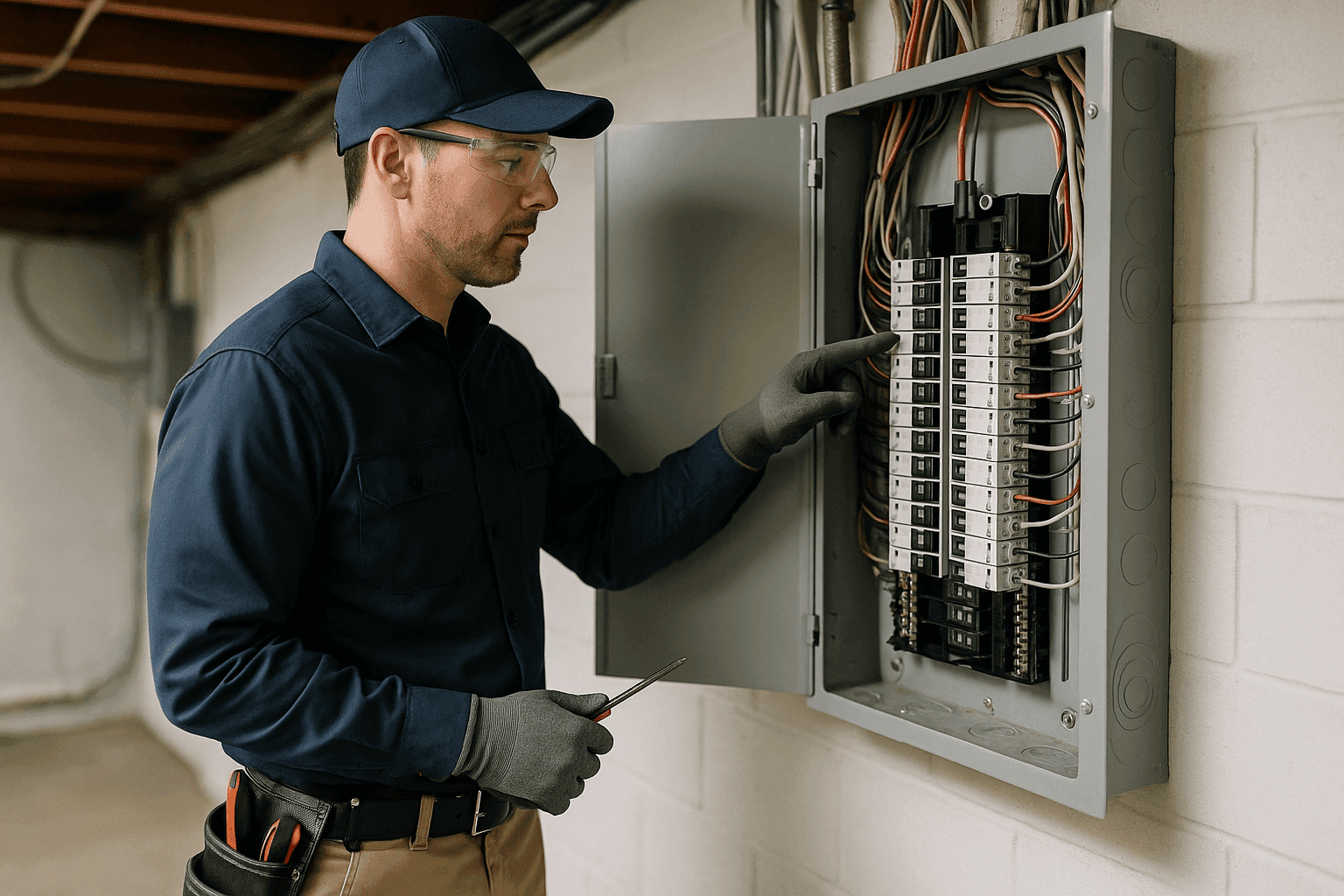
Is your home ready for the demands of today’s appliances? Maybe you’ve noticed flickering lights when the air conditioner kicks on, or your kitchen outlets feel warm after running the microwave and toaster together. These are more than quirks—they’re warning signs.
Modern appliances are power-hungry. They need more juice than the systems designed decades ago can safely deliver. Upgrading your electrical system isn’t just about convenience. It’s about safety, reliability, and peace of mind. At Barum Electric, we help homeowners and small business owners navigate these upgrades every day.
Why Electrical Upgrades Matter ⚡
Let’s face it: the old days of a single fridge and a few lamps are long gone. Today’s homes and businesses run on a steady stream of gadgets—smart TVs, induction stoves, high-efficiency washers, and more. Each one draws power, sometimes all at once.
Here’s why an upgrade might be necessary:
- Prevent Overloads: Outdated wiring can overheat, trip breakers, or even spark a fire.
- Support Modern Appliances: New machines often require dedicated circuits or higher amperage.
- Meet Electrical Codes: Safety standards change. What was safe 30 years ago may not pass inspection today.
- Increase Home Value: Up-to-date systems are a selling point for future buyers.
According to the National Fire Protection Association (NFPA), electrical failures are a leading cause of house fires. Upgrading isn’t just smart—it’s essential.
Quick Safety Checklist Before You Start
Before diving into any electrical upgrade, run through this checklist:
- Are your outlets warm, discolored, or sparking?
- Do you hear buzzing from your panel or outlets?
- Do circuit breakers trip frequently?
- Is your wiring older than 30 years?
- Have you noticed flickering lights or appliances losing power?
- Are you planning to install high-wattage appliances (like EV chargers, ovens, or HVAC units)?
- Do you have enough outlets for your needs, or are you relying on extension cords?
If you answered “yes” to any of these, your system may be overdue for an inspection or upgrade.
Assessing Your Current Electrical Capacity
Think of your electrical panel as the heart of your home’s power supply. If it’s too small, your appliances have to fight for every heartbeat.
How to Check Your Panel
- Find the Amperage: Most homes have 100-amp or 200-amp panels. Look for a label inside the panel door.
- Count the Circuits: Are there enough breakers for your needs? Overcrowded panels are a red flag.
- Look for Fuses: Fuse boxes are outdated and often unsafe for modern loads.
If your panel is undersized, or if you see double-tapped breakers (two wires under one screw), it’s time to consider an upgrade.
Appliance-Specific Requirements
Some appliances need dedicated circuits—meaning nothing else shares the same breaker. Examples include:
- Electric ovens and ranges
- Clothes dryers
- Central air conditioners
- Hot tubs, pools, or spas
- EV chargers
Check the manufacturer’s manual for each appliance. If you’re unsure, a licensed electrician can help you map out your home’s power needs.
DIY vs. Call a Pro: Where’s the Line?
It’s tempting to tackle small electrical projects yourself. Swapping out a light switch or outlet plate? With the right precautions, that’s usually safe.
But upgrading panels, running new circuits, or rewiring? That’s a different story.
When to Call a Professional
- Panel Upgrades: These involve high-voltage connections and must meet strict codes.
- Whole-Home Rewiring: Mistakes here can lead to fire or electrocution.
- Adding Dedicated Circuits: Requires knowledge of load calculations and safe routing.
- Emergency Repairs: If you smell burning, see smoke, or lose power to critical appliances, call an emergency electrician immediately.
Remember: Electricity is invisible but unforgiving. One wrong move can have serious consequences.
What Professionals Do On Arrival
When you call Barum Electric, here’s what to expect:
- Assessment: We inspect your panel, wiring, and outlets. We look for signs of wear, overheating, or code violations.
- Load Calculation: We tally up all your appliances and devices to see if your panel can handle the load.
- Safety Inspection: Using tools like voltage testers and thermal cameras, we check for hidden hazards.
- Code Compliance: We ensure all work meets the latest National Electrical Code (NEC) standards.
- Clear Plan: You get a step-by-step outline of what needs upgrading, why, and how it will be done.
We’re happy to answer your questions, explain what we find, and walk you through your options.
Prevention & Maintenance: Staying Ahead of Trouble
Routine maintenance keeps your electrical system humming. Here’s how to stay ahead:
- Schedule Regular Safety Checks: Annual inspections catch problems before they escalate.
- Install Surge Protection: Whole-home surge protectors shield sensitive electronics from power spikes.
- Test GFCI/AFCI Outlets: Ground Fault and Arc Fault Circuit Interrupters are required in kitchens, bathrooms, and outdoors.
- Replace Worn Outlets and Switches: Loose or cracked plates are more than unsightly—they can be dangerous.
- Label Your Panel: Clear labels mean faster action in an emergency.
Following recommendations from the Electrical Safety Foundation International (ESFI) can help reduce risks.
Costs & Time Factors: What to Expect
Electrical upgrades are an investment in safety and comfort. Costs and timelines vary, but here’s what typically affects them:
- Scope of Work: Panel upgrades, rewiring, or adding circuits each have different price points.
- Home Size: Larger homes or businesses require more materials and labor.
- Accessibility: Hard-to-reach wiring or panels may take more time.
- Permits & Inspections: Required by law for major upgrades, adding to both time and cost.
A panel upgrade might take a day, while whole-home rewiring could stretch over several days. Minor upgrades—like adding a dedicated circuit—are often completed in a few hours.
When It’s an Emergency 🚨
Some electrical problems can’t wait. If you notice any of the following, call an emergency electrician right away:
- Burning smells or smoke from outlets or panels
- Sparking or arcing sounds
- Power loss to critical appliances (refrigerator, medical devices)
- Water damage near electrical components
- Signs of electrical fire (charred outlets, melted wires)
In emergencies, turn off the main breaker if it’s safe to do so, then get professional help immediately.
Special Considerations for Modern Appliances
New appliances aren’t just bigger—they’re smarter, too. Here are a few things to keep in mind:
- Smart Home Devices: Home automation systems may require low-voltage wiring and stable Wi-Fi connections.
- EV Chargers: These often need 240V dedicated circuits and may require panel upgrades.
- Backup Generators: Integrating a generator safely requires transfer switches and careful planning.
- Pools & Spas: Water and electricity don’t mix. Specialized wiring and GFCI protection are a must.
- Seasonal Loads: High-usage periods (summer AC, winter heaters) can strain older systems.
Always consult appliance manuals and follow recommendations from the Underwriters Laboratories (UL) for approved devices.
FAQ: Your Electrical Upgrade Questions Answered
How do I know if my home’s wiring is outdated?
If your home is over 30 years old and hasn’t been upgraded, chances are the wiring may not meet current safety standards. Look for signs like fabric-sheathed wires, ungrounded outlets, or frequent breaker trips.
Can I upgrade my panel without rewiring the whole house?
Often, yes. If your existing wiring is in good condition and meets code, a panel upgrade alone may be enough. However, older or damaged wiring should be replaced for safety.
What’s the risk of not upgrading?
Overloaded circuits, frequent outages, and even electrical fires. Appliances may underperform or fail prematurely.
How often should I have my electrical system inspected?
The ESFI recommends a professional inspection every 3–5 years, or whenever you buy a new home, install major appliances, or notice warning signs.
Upgrading your electrical system is one of the smartest moves you can make for your home or business. Don’t wait for a blown fuse or worse—a fire—to take action.
Call Barum Electric now — or reach us anytime at 1-888-919-9929 .