How to Safely Install Backup Generators at Home
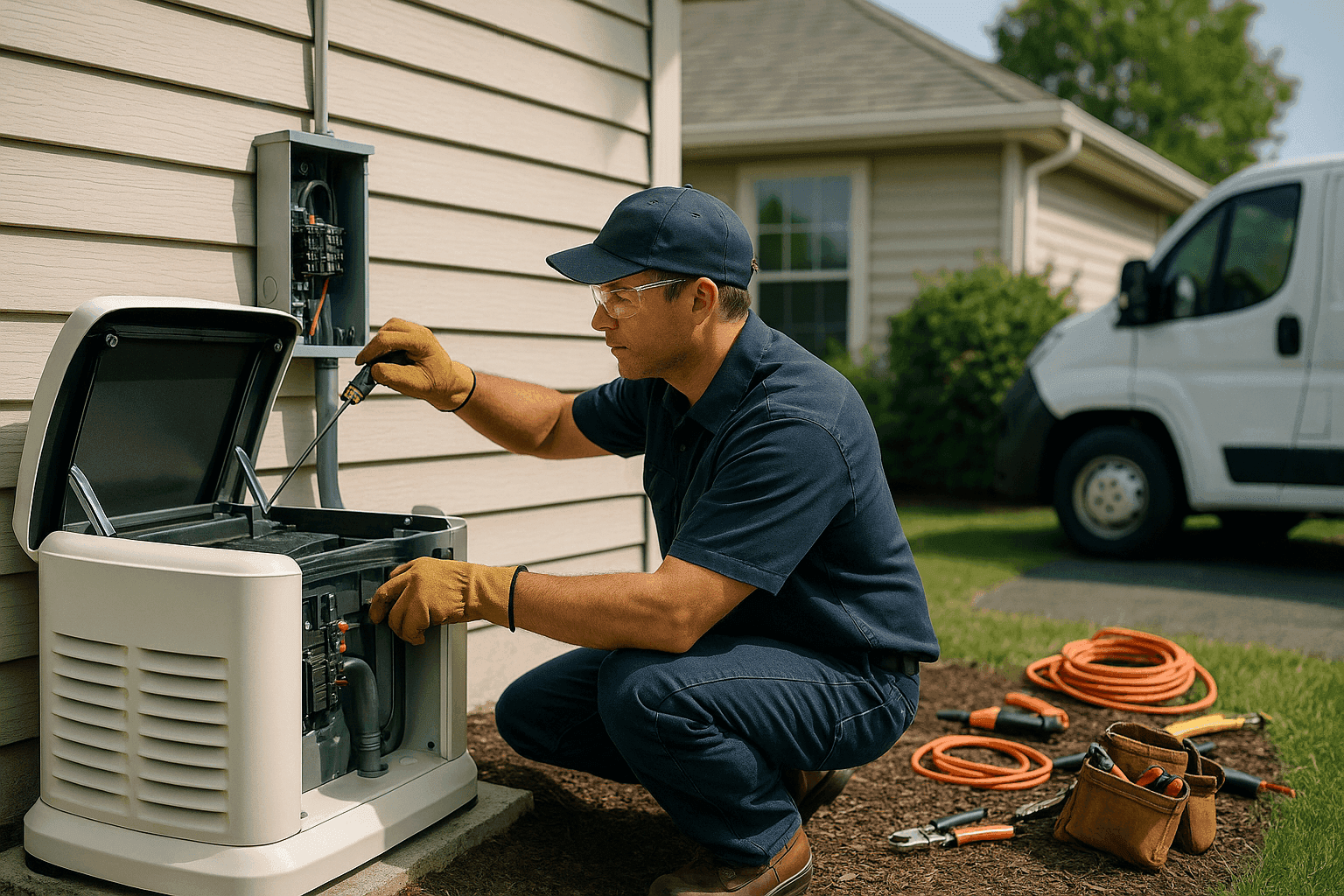
Power outages never wait for a convenient moment. They strike during wild storms, on the coldest nights, or right when you need your lights the most. For homeowners and small business owners, a backup generator isn’t just a luxury—it’s a lifeline.
But installing one? That’s where things get serious. Electrical work is no place for shortcuts. At Barum Electric, we know how critical it is to get every detail right. Let’s walk through what it takes to safely install a backup generator at home, and why calling a seasoned emergency electrician can make all the difference.
Why Backup Generators Matter During Outages ⚡
Losing power can feel like being stranded in the dark. Refrigerators stop humming. Security systems go silent. For small businesses, downtime means lost revenue and unhappy customers. For families, it’s about safety—keeping heat, light, and medical devices running.
A backup generator is your safety net. It kicks in when the grid goes down, keeping your essentials powered. But just like you wouldn’t build a bridge with duct tape, you shouldn’t cut corners on generator installation.
Quick Safety Checklist
Before you even think about plugging in a generator, run through this safety checklist:
- Placement: Always install generators outdoors, away from windows, doors, and vents to prevent carbon monoxide buildup.
- Wiring: Only use heavy-duty, outdoor-rated extension cords and never plug a generator directly into a wall outlet (“backfeeding” is dangerous and illegal).
- Transfer Switch: Use a transfer switch to safely connect the generator to your home’s electrical panel.
- Permits & Codes: Check local electrical codes and permit requirements. Follow National Electrical Code (NEC) guidelines.
- Professional Installation: Hire a licensed electrician for installation. It’s not just safer—it’s often required by law.
Choosing the Right Backup Generator
Not all generators are created equal. Picking the right one is like choosing a raincoat before a storm—you want the right fit and protection.
- Portable Generators: Good for short outages and powering a few critical appliances. Easy to move, but require manual setup.
- Standby Generators: Permanently installed and automatically kick in when the power fails. These can power your whole house or business and are hardwired into your electrical system.
How Much Power Do You Need?
Start by listing what you want to keep running—fridge, lights, heat, Wi-Fi, medical devices. Add up their wattage. Most standby generators range from 7,000 to 20,000 watts. For businesses with more equipment, you may need more.
Tip: Oversizing wastes money; undersizing leaves you in the dark. If you’re unsure, an emergency electrician can help you calculate your needs.
Preparing Your Electrical System for Installation
Before installation, your home’s electrical system needs a checkup. Think of it like prepping a garden before planting—healthy soil means strong roots.
- Electrical Panel: Is your panel up to date? Older panels may need upgrades.
- Wiring: Frayed or outdated wiring can’t handle the load of a generator.
- Load Assessment: Identify which circuits should be powered during an outage.
Electrical Panel Integration
Integrating a generator with your electrical panel isn’t a plug-and-play job. It involves:
- Installing a transfer switch (manual or automatic)
- Connecting the generator to the panel using proper wiring and conduit
- Labeling circuits for clarity during emergencies
Transfer Switches: The Heart of Generator Safety
A transfer switch is like a traffic cop for electricity. It safely switches your home from grid to generator power, preventing dangerous backfeeding that can harm utility workers or damage your appliances.
There are two main types:
- Manual Transfer Switch: You flip the switch when the power goes out.
- Automatic Transfer Switch: Senses outages and switches power sources automatically.
Important: National Fire Protection Association (NFPA) and NEC both require transfer switches for permanent generator installations.
Step-by-Step Installation Process
Let’s break down the process, step by step. While every home is different, these are the essential stages:
1. Site Assessment
- Choose a stable, level location outdoors, at least 5–10 feet from doors and windows.
- Ensure clear access for maintenance and refueling.
2. Obtain Permits
- Secure necessary permits from your local building department.
- Schedule inspections if required.
3. Prepare the Pad or Base
- Install a concrete or composite pad to support the generator.
- Ensure proper drainage to avoid water damage.
4. Electrical Connections
- Install the transfer switch near the main panel.
- Run conduit and wiring from the generator to the switch and panel.
- Ground the generator according to NEC standards.
5. Fuel Supply
- Connect to your chosen fuel source (natural gas, propane, or diesel).
- Check for leaks and comply with fire safety codes.
6. Testing & Commissioning
- Test the system under load.
- Train the homeowner or business owner on safe operation.
- Complete final inspections.
Common Installation Mistakes to Avoid
- Installing generators too close to the house (carbon monoxide risk)
- Skipping the transfer switch (illegal and dangerous)
- Using undersized wiring or extension cords (fire hazard)
- Neglecting permits or code requirements
Safety Tips and Maintenance for Backup Generators 🛡️
A generator is like a car—it needs regular care to run safely. Here’s how to keep yours in top shape:
- Run it monthly: Exercise the generator under load to keep parts moving.
- Check fuel and oil: Top off fluids and replace filters as recommended.
- Inspect for leaks: Look for signs of fuel, coolant, or oil leaks.
- Test the transfer switch: Make sure it operates smoothly.
- Schedule annual inspections: Have a licensed electrician check wiring, connections, and safety systems.
Resources: The Electrical Safety Foundation International (ESFI) and National Fire Protection Association (NFPA) offer guidelines for safe generator use and maintenance.
DIY vs. Call a Pro
It’s tempting to try a DIY install. After all, there are plenty of online tutorials. But installing a generator is more like surgery than assembling furniture. Mistakes can be deadly.
-
DIY Risks:
- Electric shock
- Fire hazards
- Carbon monoxide poisoning
- Code violations
-
When to Call Barum Electric:
- Unsure about wiring or panel upgrades
- Need a transfer switch installed
- Want peace of mind that your system is safe and code-compliant
Licensed electricians are trained to spot hazards you might miss. They know the codes, the right materials, and how to keep your family or business safe.
What Pros Do On Arrival
When you call Barum Electric, here’s what happens:
- Assessment: We inspect your electrical system, panel, and wiring.
- Power Needs: Help you figure out the right generator size for your needs.
- Site Planning: Recommend the safest and most efficient location.
- Permits & Codes: Handle all paperwork and inspections.
- Installation: Complete wiring, transfer switch setup, and safety checks.
- Testing: Run the system and show you how to operate it safely.
Prevention & Maintenance
Preventing generator problems is all about regular attention:
- Keep it clean: Clear debris and check for rodent nests.
- Fuel rotation: Use fresh fuel and stabilize if storing for long periods.
- Battery care: For standby models, keep the battery charged and replace as needed.
- Professional inspections: Schedule annual checkups to catch issues early.
Costs & Time Factors
Backup generator installation isn’t one-size-fits-all. Costs and timelines depend on:
- Generator type and size
- Electrical panel condition
- Transfer switch complexity
- Fuel source and local code requirements
Most installations take a day or two once permits are in hand. Portable models are quicker; standby systems take longer due to wiring and inspections. Expect to budget for parts, labor, permits, and possibly panel upgrades.
When It’s an Emergency
Storms, heat waves, and rolling blackouts can leave you powerless at the worst times. If you’re already without power and need a generator installed fast, call an emergency electrician. We prioritize urgent calls to restore safety and comfort as quickly as possible.
Tip: Don’t wait until the next outage. Planning ahead means you’re not scrambling when the lights go out.
FAQ: Backup Generator Installation
Do I need a permit to install a generator?
Yes, most areas require permits and inspections for standby generator installations. This ensures your system meets safety and electrical codes.
Can I run my whole house on a portable generator?
Portable generators typically power only essential circuits or appliances. For whole-house coverage, you’ll need a larger standby generator and proper transfer switch setup.
How far should my generator be from my house?
At least 5–10 feet from any opening (doors, windows, vents) to prevent carbon monoxide from entering your home. Always follow manufacturer and code guidelines.
What’s the difference between a transfer switch and an interlock kit?
A transfer switch safely disconnects your home from the grid before switching to generator power. An interlock kit is a mechanical device that prevents backfeeding but isn’t a substitute for a transfer switch in all situations. Consult a licensed electrician for the safest option.
Special Considerations for This Service
Backup generator installation isn’t just about comfort—it’s about safety. For homes with medical devices, businesses with sensitive equipment, or properties prone to outages, a reliable generator can be a game-changer.
- Seasonal Prep: Winter storms and summer heat waves are peak outage times. Schedule installation and maintenance before severe weather hits.
- Code Compliance: Every installation must meet the National Electrical Code and local requirements. Cutting corners can void warranties and insurance coverage.
- Carbon Monoxide: Never run generators indoors or in attached garages. Install carbon monoxide detectors for extra protection.
Ready to keep your home or business safe and powered up, no matter what the weather brings?
Call Barum Electric now — or reach us anytime at 1-888-919-9929 .