How to Safeguard Your Home Electrical System During Storms
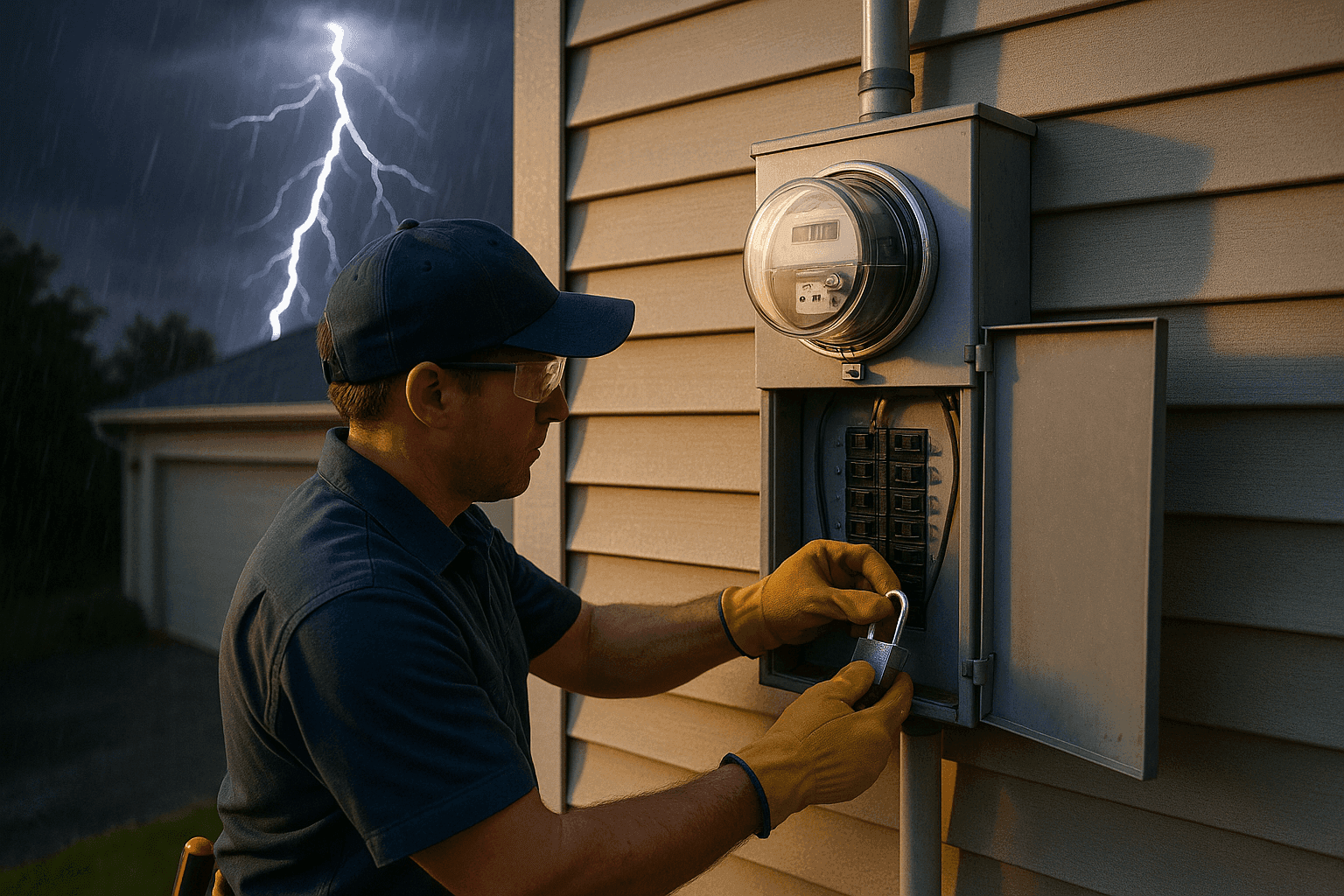
When thunder rumbles and rain slams against the windows, your first thought is probably safety—your family, your pets, your home. But storms can also threaten something less obvious: your electrical system. One wrong surge or a hidden leak, and suddenly, you’re in the dark or facing expensive repairs.
At Barum Electric, we know storms don’t wait for business hours. That’s why our emergency electricians are ready 24/7 to help you keep your lights on and your loved ones safe.
Understanding Electrical Hazards During Storms
Storms are wildcards. They bring more than just wind and rain—they can send jolts of electricity racing through your home’s wires or let water sneak into places it shouldn’t be. Here are the most common electrical risks during a storm:
- Power Surges: Like a tidal wave of electricity. Lightning strikes or grid disruptions can send a sudden burst of power through your system, frying sensitive electronics.
- Water Intrusion: Water and electricity are a dangerous mix. Flooded basements or leaks can turn outlets and wiring into shock hazards.
- Power Outages: Storms can knock out the grid, leaving you in the dark. Sometimes, the real danger is when the power comes back—unexpected surges can damage appliances and circuits.
- Fallen Power Lines: Downed lines outside can electrify puddles, fences, or even the ground itself.
Electrical hazards during storms aren’t just inconvenient—they can be deadly. Prevention and quick action are key.
Preparing Your Electrical System for Storm Season ⚡
A little preparation goes a long way. Think of it as putting on a raincoat before heading into a downpour. Here’s how to get your home or business storm-ready:
1. Schedule a Professional Electrical Inspection
Don’t wait for trouble to strike. Have a licensed electrician inspect your electrical panel, wiring, and outlets for signs of wear or damage. Look for issues like:
- Loose wires or connections
- Corroded or outdated panels
- Water stains near outlets or breaker boxes
The National Electrical Code (NEC) recommends regular inspections, especially in older buildings or after renovations.
2. Install Surge Protection
Whole-house surge protectors are like bouncers at the door—keeping dangerous power spikes from getting to your valuable electronics. Surge strips offer extra protection for computers, TVs, and appliances.
3. Check and Seal Entry Points
Water finds a way. Make sure your electrical panel, outlets, and wiring are protected from leaks. Seal cracks in walls, foundations, and around cable entries.
4. Maintain Backup Power Sources
If you rely on a backup generator, have it serviced before storm season. Test it monthly. Make sure it’s installed according to manufacturer guidelines and local codes.
5. Secure Outdoor Electrical Components
Pools, spas, outdoor lighting, and EV chargers need special attention. Weatherproof covers and ground-fault circuit interrupters (GFCIs) can prevent accidents.
What to Do During a Storm
When the sky turns dark and the wind howls, quick thinking keeps you safe. Here’s what to do:
Unplug Electronics
If lightning is close, unplug sensitive devices. Even surge protectors can be overwhelmed by a direct strike.
Avoid Contact With Electrical Systems
Stay away from outlets, switches, and electrical panels during a storm. Water can make surfaces conductive—even if they look dry.
Use Flashlights, Not Candles
If the power goes out, reach for battery-powered lights. Open flames near electrical equipment are a recipe for disaster.
Don’t Touch Downed Wires
If you see a fallen power line, stay far away. Call emergency services immediately. Never try to move or touch it, even with a stick or tool.
Use Generators Safely
Only operate generators outdoors, far from windows and doors. Carbon monoxide is invisible and deadly. Follow manufacturer instructions to the letter.
Post-Storm Electrical Safety Checks
Once the storm passes, don’t rush to flip everything back on. Take these steps first:
Inspect for Visible Damage
- Check for water near outlets, panels, and appliances.
- Look for scorch marks, melted wires, or tripped breakers.
- Listen for buzzing or crackling sounds—these can signal a hidden problem.
Smell for Trouble
A burning smell is a red flag. It could mean overheated wires or damaged insulation. Don’t ignore it.
Reset Breakers Carefully
If breakers have tripped, reset them one at a time. If they trip again, there’s a problem that needs professional attention.
When to Call an Emergency Electrician
If you notice any of the following, call Barum Electric immediately:
- Water inside electrical panels or outlets
- Sparks, smoke, or burning smells
- Flickering lights that don’t stop
- Outlets that feel warm or buzz
Never try to repair storm-damaged wiring yourself. Electricity is unforgiving.
Quick Safety Checklist
- [ ] Schedule a pre-storm electrical inspection
- [ ] Install or check surge protection devices
- [ ] Test GFCIs and AFCIs (arc fault circuit interrupters)
- [ ] Service and test backup generators
- [ ] Unplug electronics before storms
- [ ] Keep flashlights and batteries on hand
- [ ] Avoid standing water near electrical equipment
- [ ] Call a licensed electrician if you spot damage
DIY vs. Calling a Professional
Some tasks are safe for a handy homeowner—others should always be left to the pros.
Safe for DIY
- Unplugging devices before a storm
- Using surge protectors
- Sealing minor wall cracks
Call a Licensed Electrician For
- Panel inspections or upgrades
- Water-damaged wiring or outlets
- Installing whole-home surge protection
- Repairing or replacing breakers
- Generator installation or complex repairs
Remember: Electricity doesn’t give second chances. When in doubt, call an emergency electrician.
What Barum Electric Does on Arrival
When you call Barum Electric for storm-related electrical issues, here’s what our licensed team will do:
- Assess the Situation: We start with a visual inspection, looking for obvious hazards like water intrusion, melted wires, or tripped breakers.
- Test for Live Circuits: Using industry-standard tools, we check for hidden voltage or current where it shouldn’t be.
- Isolate the Problem: We pinpoint the source—whether it’s a damaged outlet, overloaded panel, or water-logged wiring.
- Make Safe Repairs: We repair or replace damaged components, always following the latest National Electrical Code (NEC) and Occupational Safety and Health Administration (OSHA) guidelines.
- Restore Power Safely: Once repairs are complete, we restore power, test circuits, and make sure everything is safe before we leave.
- Provide a Safety Report: We’ll walk you through what we found, what we fixed, and how to prevent future problems.
Prevention & Maintenance: Your Best Defense
Storms are unpredictable, but regular care keeps your electrical system strong. Here’s how to stay ahead:
Schedule Regular Inspections
Just like a yearly physical, your electrical system needs a checkup. Schedule inspections annually or after any major storm.
Upgrade Outdated Equipment
Old panels, cloth-insulated wiring, or ungrounded outlets are more likely to fail during storms. Upgrading now can prevent headaches later.
Install GFCIs and AFCIs
These devices shut off power instantly if they detect a problem. They’re required by code in many areas and offer an extra layer of protection.
Keep Outdoor Fixtures Covered
Weatherproof covers on outlets, switches, and lighting keep water out and reduce the risk of shorts.
Trim Trees Near Power Lines
Falling branches can take down lines and cause surges. Keep trees pruned and call professionals for anything near high-voltage wires.
Costs & Time Factors
Storm-related electrical repairs vary widely. Here’s what to expect:
- Inspections: Usually quick—1 to 2 hours.
- Surge Protector Installation: Most jobs are done in a few hours.
- Panel Repairs or Upgrades: Can take several hours to a full day, depending on complexity.
- Emergency Calls: Response time depends on weather and demand, but Barum Electric is available 24/7.
Costs depend on the type and extent of damage, parts needed, and labor. Preventive maintenance is almost always less expensive than emergency repairs.
When It’s an Emergency
Some situations can’t wait. Call for emergency help if you notice:
- Smoke, sparks, or burning smells
- Water inside electrical panels or outlets
- Repeatedly tripping breakers or blown fuses
- Power loss in critical systems (medical equipment, security, refrigeration)
Barum Electric’s emergency electricians are on call day and night. Your safety is always our top priority.
FAQ: Storm Electrical Safety
What’s the most common storm-related electrical problem?
Power surges and water intrusion top the list. Both can cause hidden damage that isn’t obvious until later.
Can I use my generator indoors during a storm?
Never. Generators produce carbon monoxide, which is deadly in enclosed spaces. Always operate them outdoors, following manufacturer guidelines.
What should I do if I see water near my breaker panel?
Stay away and call an emergency electrician immediately. Water conducts electricity and creates a severe shock risk.
How often should I have my electrical system inspected?
At least once a year—or after any major storm. Older homes or businesses should consider more frequent checks.
Special Considerations for Storm-Prone Areas
If you live or work in a region that sees frequent storms:
- Consider whole-home surge protection and backup generators.
- Make sure your insurance covers electrical damage.
- Keep Barum Electric’s number handy for emergencies.
- Educate family members or employees about electrical safety during storms.
Storms are unpredictable, but your response doesn’t have to be. A little planning and the right support can keep your home or business safe—no matter what the weather throws your way.
Call Barum Electric now — or reach us anytime at 1-888-919-9929 .